

Posted by L’équipe Ameublement à rabais
on October 03, 2026

Table of Contents
- Benefits of Garden Greenhouses: Creating an Ideal Microclimate for Your Crops
- Extending the Growing Season: Growing Longer
- Improving Crop Productivity and Yield
- Protection Against Pests, Diseases, and Seedling Acclimatization
- Choosing a Greenhouse Location: Optimizing Exposure and Accessibility
- Winter Greenhouse Maintenance: Preparing Your Structure for the Cold Season
- Greenhouse Accessories: Optimizing Your Growing Space
- Analyzing Return on Investment: The Real Profitability of a Greenhouse
- Frequently Asked Questions
Last updated: October 4, 2026
Benefits of Garden Greenhouses: Creating an Ideal Microclimate for Your Crops
The benefits of garden greenhouses go far beyond simply protecting plants. A greenhouse creates a controlled environment that transforms the way gardeners grow their vegetables, flowers, and fruits. According to WiseGuy Reports on the garden greenhouse market, the sector shows a compound annual growth rate of 4.2% for the 2024-2026 period, reflecting the growing interest of homeowners in this solution.
This guide explores the real benefits of a greenhouse and how it can transform your gardening experience.
Temperature and Humidity Control
A greenhouse maintains stable temperature and humidity conditions, creating a protective microclimate for your crops. According to Fertri, an analysis of the benefits of greenhouses for gardening, greenhouses allow for balancing temperature and humidity while reducing water and wind stress on plants. This climatic stability accelerates plant growth compared to outdoor cultivation.
Glass and polycarbonate greenhouses offer superior insulation. The adjustable ventilation, such as that offered by Ameublement à rabais models with 5-level roof vents, allows you to adjust humidity according to your crops' needs.

Pro Tip
Installing thermometers inside and outside helps you adjust ventilation and improves the survival rate of fragile plants.
Protection Against Inclement Weather and Wind
A greenhouse provides a physical barrier against inclement weather, hail, strong winds, and snow. The 4 mm thick polycarbonate panels absorb shocks while allowing the light necessary for photosynthesis to pass through.
Aluminum and galvanized steel structures offer robust stability, with reinforced guy wires and stakes to withstand strong winds, allowing plants to focus their energy on growth.
Integrated gutters effectively manage rainwater drainage, preventing the accumulation of excessive moisture.
Extending the Growing Season: Growing Longer
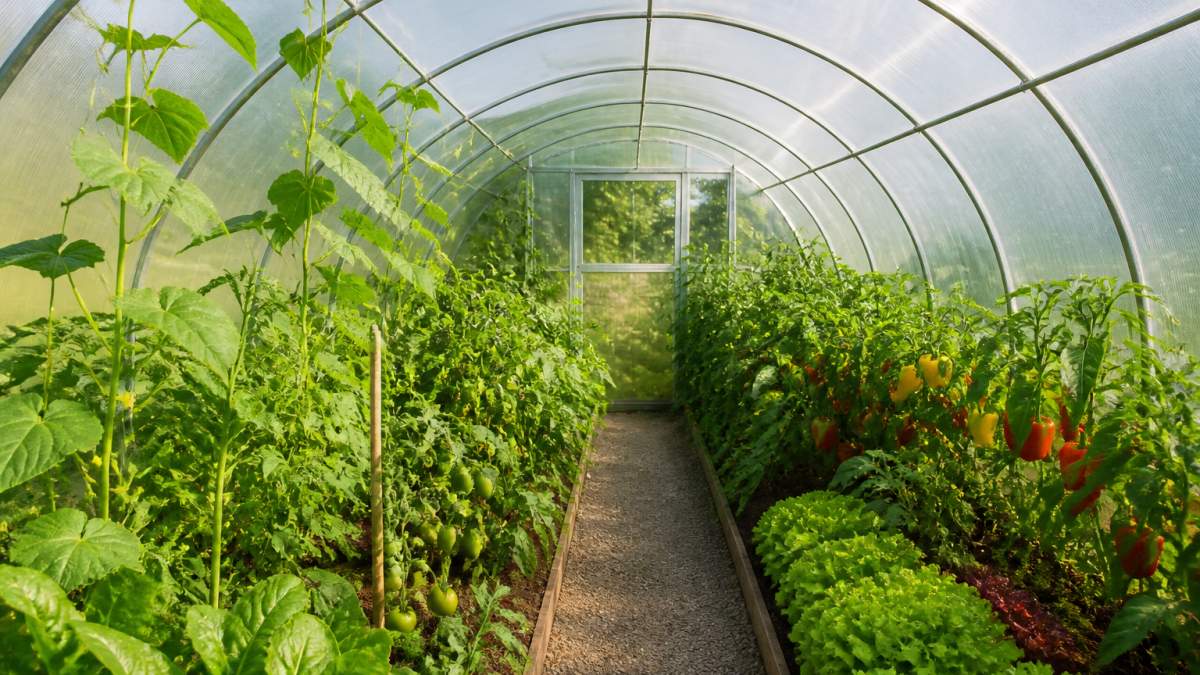
One of the most appreciated benefits of garden greenhouses is the extension of growing seasons, allowing the cultivation of vegetables like arugula, beets, and kale even in winter.
Greenhouses allow you to start sowing earlier in the spring and extend harvests until late autumn, increasing the number of annual harvests according to your region.

Mini-greenhouses and tunnel greenhouses offer a flexible solution for small spaces.
Key Point
Extending the growing season means more harvests per year and a greater variety of vegetables you can grow in your region. This is the benefit that generates the fastest return on investment.
Improving Crop Productivity and Yield
A controlled environment promotes faster growth and better overall plant health.
Plants expend less energy on survival and more on growth and the production of fruits or flowers.
A notable case study, Rachid's vegetable garden documented on YouTube, shows a complete transformation of the garden into a productive vegetable patch in just 90 days thanks to the use of a greenhouse. This rapid improvement demonstrates the direct impact of a protected growing structure on productivity.
Protection Against Pests, Diseases, and Seedling Acclimatization
Barrier Against Insects and Parasites
A greenhouse acts as a physical barrier against insect pests. Fine mesh integrated into the side walls and doors prevents insects from accessing plants while still allowing ventilation.
This protection significantly reduces the need for pesticides and insecticides, creating a healthier and more ecological growing environment.
Greenhouses equipped with zippers provide additional protection against small animals and flying insects.

Healthy Environment for Acclimatizing Young Plants
A greenhouse provides a controlled environment ideal for the acclimatization of seedlings and young plants, which thrive in a stable microclimate.
A greenhouse allows for progressive and safe hardening off rather than abrupt exposure to external conditions.
Choosing a Greenhouse Location: Optimizing Exposure and Accessibility
The choice of location largely determines the success of a greenhouse, particularly regarding seasonal thermal management.
Solar Exposure: Balancing Winter and Summer
A greenhouse facing south or southwest receives the maximum amount of winter light but risks overheating in summer without active ventilation management.
Choose a location with light shade in the afternoon in summer, for example, near deciduous trees that provide shade during the hot season but allow light to pass through in winter.
Preventing Summer Overheating
Summer overheating is a major challenge: tomatoes stop producing fruit above 32°C, lettuces become bitter, and flowers wilt prematurely.
Greenhouse with adjustable roof ventilation, gutter, and sliding door →
Favor areas with natural air circulation and avoid enclosed locations or those near paved surfaces that accumulate heat.
Accessibility and Water Management
Place your greenhouse near a water source to facilitate regular watering, especially in summer when evaporation accelerates.
Ensure adequate drainage of the land. A slightly sloped ground helps with the natural flow of rainwater and prevents stagnant moisture.
Distance from Obstacles
Maintaining a distance of at least 1.5 to 2 meters between the greenhouse and large trees or structures avoids excessive shading in winter and improves air circulation. Nearby trees can also drop dead leaves or branches that damage panels or obstruct roof vents.
Winter Greenhouse Maintenance: Preparing Your Structure for the Cold Season
Winter greenhouse maintenance is essential for extending the lifespan of your structure. Before winter, inspect panels for cracks or damage and clean them to optimize light transmission. Periodic cleaning of polycarbonate panels removes dust and residues that reduce luminosity.
Check seals and gutters to ensure proper drainage. The accumulation of snow or dead leaves can damage the structure. Clear the roof and gutters regularly during the winter.
Aluminum and galvanized steel structures withstand winter conditions well, but preventive maintenance extends their lifespan. Check guy wires and stakes to ensure they remain well-fixed despite thermal variations and storms.
Warning
A poorly ventilated greenhouse in winter can develop excessive humidity, promoting mold and fungal diseases. Regularly open roof vents, even in cold weather, to ensure adequate air circulation.
Greenhouse Accessories: Optimizing Your Growing Space
Greenhouse accessories transform a basic space into a highly productive growing environment. Shelves, potting tables, and automated irrigation systems maximize the use of vertical space. An 8-foot wide greenhouse can accommodate several rows of crops thanks to intelligent organization.
Additional ventilation systems, such as fans and automatic window openers, regulate temperature without manual intervention. Sunshades reduce light intensity in summer, preventing excessive overheating.
Greenhouse accessories also include supplementary heating systems for winter, humidifiers, and programmable thermostats. These secondary investments amplify the benefits of garden greenhouses by automating microclimate management.
Analyzing Return on Investment: The Real Profitability of a Greenhouse
Many gardeners hesitate to invest in a greenhouse due to the initial cost. However, the return on investment of a greenhouse often exceeds expectations, and not just in terms of additional harvests. Understanding the true drivers of profitability helps justify the purchase and maximize benefits.
The Three Dimensions of Return on Investment
The ROI of a greenhouse is measured across three distinct axes, and most gardeners neglect at least two of them.
1. Increased harvest volume: This is the most obvious calculation. A greenhouse extends the growing season by 4 to 8 weeks depending on your region, which means 1 to 2 extra growing cycles per year. If you were growing 3 cycles of lettuce outdoors, you can grow 4 or 5 in a greenhouse. Multiply this surplus by the purchase cost of these vegetables at the market or grocery store to estimate annual savings.
2. Reduction of losses and waste:
3. Indirect savings and quality of life: Non-monetary benefits include reduced vegetable purchases (fewer trips, less spending), the elimination or drastic reduction of pesticides (better family health), and improved nutritional quality of crops (vegetables harvested at maturity rather than imported). These benefits do not translate directly into dollars, but they contribute to the overall return.
Practical calculation framework
To estimate your personal ROI, ask yourself these questions:
- How much do you currently spend on fresh vegetables per year? If you regularly buy tomatoes, cucumbers, lettuce, or herbs, note this amount.
- What portion of these purchases could you replace with a greenhouse? A moderately sized greenhouse can cover 30 to 50% of a family's vegetable needs, depending on available space and your commitment.
- Over how many years are you amortizing the initial cost? A quality greenhouse lasts 10 to 15 years with regular maintenance. Divide the purchase cost by this duration to get the annual cost.
Factors that accelerate ROI
Certain practices quickly amplify the return on investment:
- Growing high-yield or high-priced varieties: Cherry tomatoes, peppers, fresh herbs, and organic vegetables sell or are valued higher than standard crops. Focusing your greenhouse on these crops increases the profit per square meter.
- Optimizing vertical space: Shelves, trellises, and high-culture systems multiply yield without increasing the floor area.
- Reducing external inputs: A well-managed greenhouse requires less water (controlled evaporation), fewer pesticides (protection against pests), and less fertilizer (richer and more stable soil). These savings accumulate quickly.
- Selling or trading surpluses: If you produce more than you can consume, local sales of fresh vegetables or greenhouse-grown herbs generate additional income that accelerates amortization.
Beyond the financial calculation
For amateur gardeners, ROI is also measured in personal satisfaction and food autonomy. Growing your own vegetables creates a direct connection with food, reduces dependence on commercial supply chains, and offers a rewarding and educational activity. These intangible benefits often justify the investment regardless of the strict financial calculation.
Frequently Asked Questions
What are the main advantages of a garden greenhouse?
Greenhouses offer several major advantages: they create a controlled microclimate that stabilizes temperature and humidity, protect your crops against frost, wind, and bad weather, and extend your growing season by several months. According to 2026 data, greenhouses also reduce water and wind stress on plants, which significantly improves the yield and productivity of the vegetable garden.
How to choose the location of a greenhouse to optimize growth?
The ideal location depends on three factors: sun exposure (choose a spot receiving at least 6 hours of direct light), water access, and daily accessibility. Avoid areas exposed to strong winds or the shade of trees. Also, ensure the ground is relatively flat and well-drained to avoid water accumulation under the structure.
What winter maintenance should be planned for a garden greenhouse?
Winter maintenance includes cleaning panels to maintain light transmission, checking for damaged joints and panels, and ensuring that ventilation is working properly to avoid excessive condensation. Also, monitor thermal management: even in winter, a greenhouse can overheat on sunny days, which requires adequate ventilation to protect your crops.
What essential accessories help improve greenhouse performance?
Key accessories include adjustable roof vents to control ventilation and humidity, gutters for collecting rainwater, sliding doors for easy access, and shading systems for the summer months. Good ventilation is crucial for maintaining an optimal microclimate and preventing diseases related to excessive humidity.
